
When ants march across your kitchen counter or you hear scratching in the walls at midnight, the big question hits: should you grab a spray bottle and handle it yourself, or is it time to call in the pros? Both DIY pest control and hiring a professional have their place, but knowing when each approach makes sense can save you money, stress, and maybe your sanity. Let's walk through what really matters when you're deciding between rolling up your sleeves or picking up the phone.
DIY Pest Control: When It Works and When It Doesn't
There's something genuinely satisfying about solving a problem yourself. For minor pest issues, DIY pest control can absolutely do the job. A few sugar ants near the sink? Bait stations and a thorough cleaning often knock that out in days. One spider in the basement? A vacuum and some sealant around windows usually handles it. Store-bought sprays, traps, and baits have come a long way, and for straightforward, surface-level problems, they're reasonably effective.
The real advantage here is immediacy and cost. You can swing by the hardware store on Saturday morning and start treating the same afternoon. No appointments, no waiting, and typically a smaller upfront investment. Plus, many homeowners appreciate knowing exactly what products are being used in their living spaces.
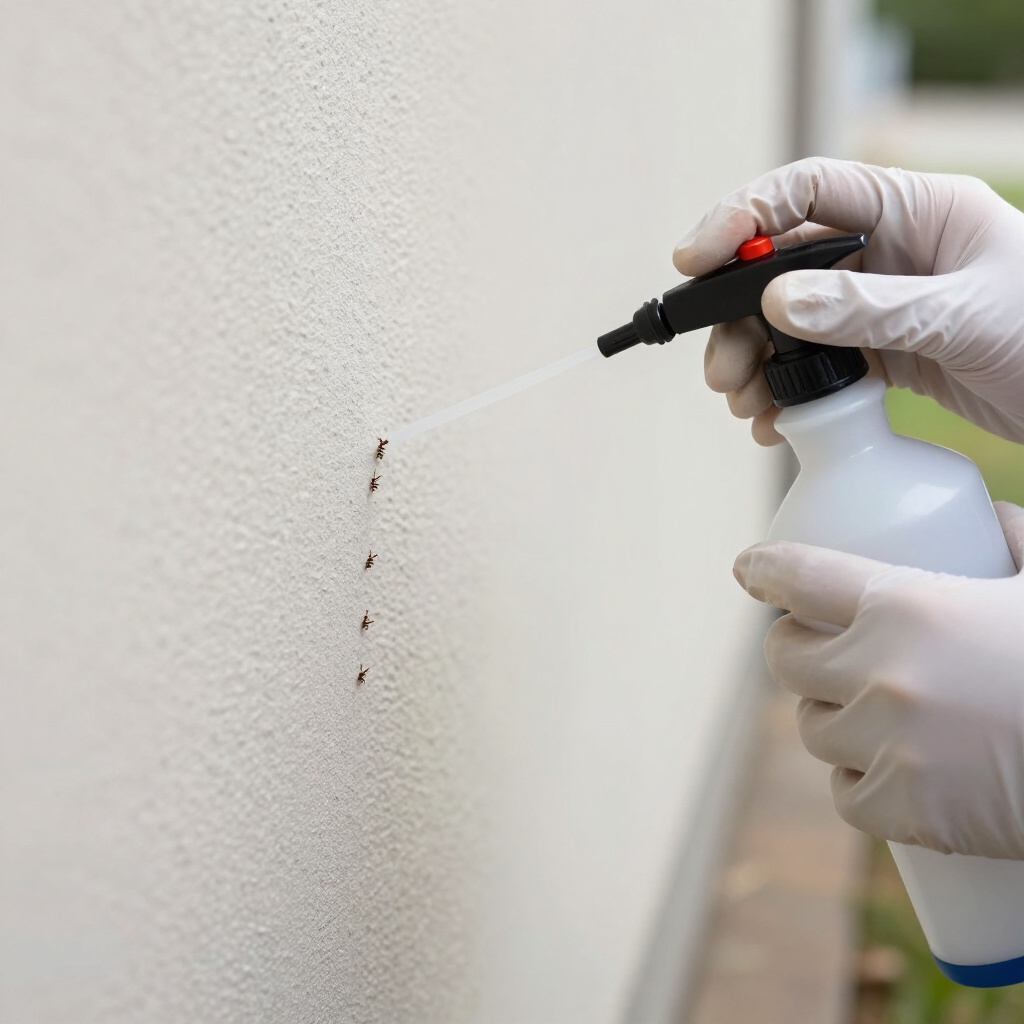
But DIY pest control has genuine limits. Most over-the-counter products are designed for consumer safety first, which means lower concentrations and less targeted formulations. They work on contact or attract pests to bait, but they rarely address the root cause. That ant trail you sprayed? You killed the visible workers, but the colony—often thousands strong and hidden in your walls—keeps sending out more. Meanwhile, certain pests like termites, bed bugs, and rodents require specialized knowledge and tools that simply aren't available at retail. Misidentify the pest or use the wrong treatment, and you can actually make the problem worse, scattering cockroaches to new hiding spots or driving rodents deeper into your structure.
Safety matters too. Improper use of pesticides can harm pets, children, and beneficial insects. Mixing chemicals incorrectly or applying them near food prep areas creates risks that many homeowners don't fully consider until it's too late.
When Hiring a Professional Becomes the Smarter Choice
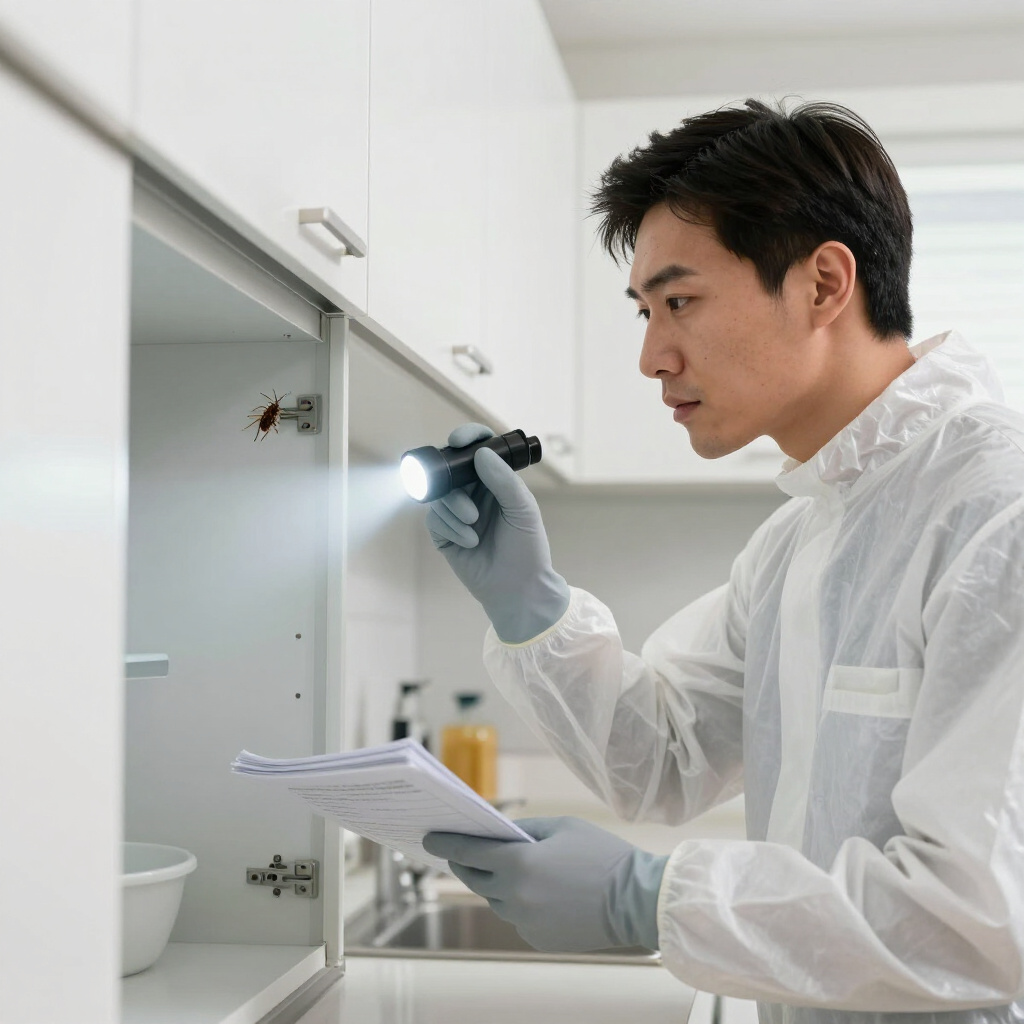
Professional pest control technicians bring training, experience, and access to commercial-grade products that aren't sold to the public. More importantly, they bring diagnostic skill. A pro doesn't just see ants—they identify the species, locate the colony, understand entry patterns, and build a targeted strategy. That carpenter ant infestation chewing through your structural wood needs fundamentally different treatment than the odorous house ants raiding your sugar bowl.
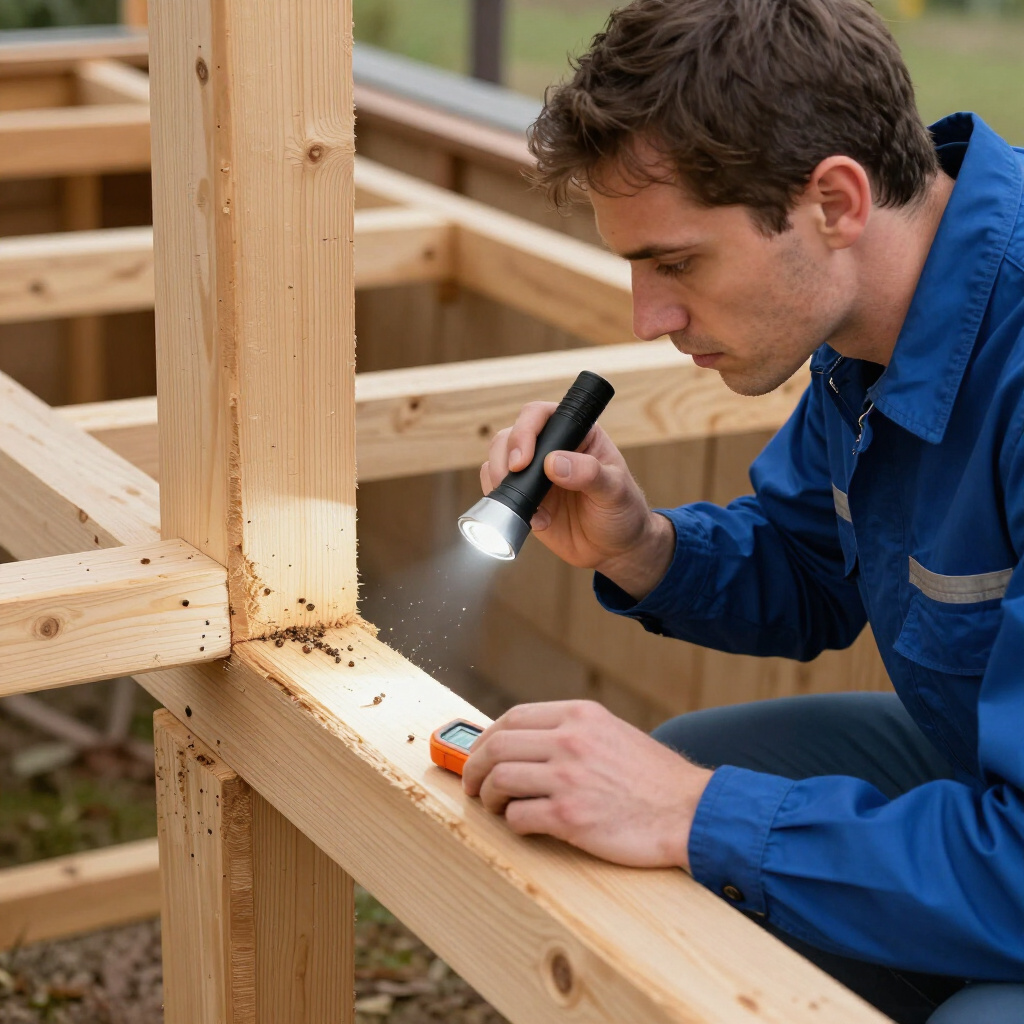
For recurring or serious problems, professional intervention typically proves more cost-effective long-term. Consider termites: by the time you notice visible damage, repairs often run into the thousands. A professional inspection catches issues early, and ongoing monitoring prevents the catastrophic damage that DIY methods simply can't address. Similarly, bed bugs resist most consumer treatments and spread rapidly through a home—professional heat treatment or targeted insecticide applications are usually the only reliable solution.
Professionals also understand integrated pest management, combining biological knowledge, environmental modifications, and precise chemical application rather than relying on sprays alone. They'll identify moisture issues attracting silverfish, exclusion points letting mice inside, or landscaping problems drawing termites toward your foundation. This holistic approach solves problems rather than temporarily suppressing symptoms.
There's liability protection too. Reputable companies carry insurance, use EPA-registered products according to strict label requirements, and guarantee their work. If the bed bugs return or the mice find a new entry point, they'll come back and retreat at no extra charge—something no hardware store receipt provides.
Key Tips for Making the Right Call
Start with honest assessment. How severe is the infestation? How long has it been ongoing? Have your DIY efforts already failed? One or two wasps around a new nest early in spring might be manageable yourself. A thriving yellow jacket colony inside your siding in August? That's professional territory.
Consider the pest itself. General rule: if the pest causes structural damage (termites, carpenter ants), spreads disease (rodents, cockroaches), bites or stings dangerously (wasps, certain spiders), or is notoriously difficult to eliminate (bed bugs, fleas), professional help pays for itself. Occasional invaders like boxelder bugs, millipedes, or single stray mice often suit DIY approaches.
If you do go DIY, research thoroughly. Identify the pest correctly using extension service resources or reputable identification apps. Read product labels completely—the label is legally binding and contains critical safety and application information. Apply only where needed, never exceed recommended concentrations, and keep detailed records of what you used and when.
When hiring a professional, verify credentials. Look for state licensing, ask about technician training and certification, request references, and understand exactly what's included in their service agreement. The cheapest bid rarely delivers the best value. Ask about their approach: do they inspect first and customize treatment, or do they apply the same routine everywhere? The former indicates genuine expertise.
There's also a middle path worth considering. Many homeowners handle routine preventive maintenance themselves—sealing cracks, maintaining screens, proper food storage, moisture control—while establishing a relationship with a professional for annual inspections and any problems that escalate beyond their comfort zone. This hybrid approach maximizes control and minimizes unnecessary spending.
Final Thoughts
Neither DIY pest control nor professional service is universally "better"—the right choice depends on your specific situation, the pest involved, and your own capacity for thorough, ongoing effort. Small, straightforward problems often resolve beautifully with attentive DIY work. Complex, recurring, or high-stakes infestations demand professional expertise that protects your home's value and your family's wellbeing.
The smartest pest control strategy is an informed one. Start with prevention, respond proportionally to what appears, and don't let pride or procrastination turn a minor issue into a major headache. Whether you're mixing bait in your garage or welcoming a technician to your door, you're taking responsibility for the space you live in—and that's always the right first step.