

Finding a spider in your home can send even the calmest person scrambling for a shoe or a glass to trap it. While these eight-legged visitors play a valuable role in controlling other insects, most homeowners prefer admiring them from the great outdoors. The good news? Keeping spiders out of your house doesn't require harsh chemicals or constant vigilance—just a smart, layered approach that addresses why they're coming inside in the first place.
How to Keep Spiders Out of Your House by Sealing Entry Points
Spiders are master contortionists that can squeeze through remarkably small gaps. If you want to know how to keep spiders out of your house effectively, start by thinking like one and inspect your home's exterior with a critical eye.
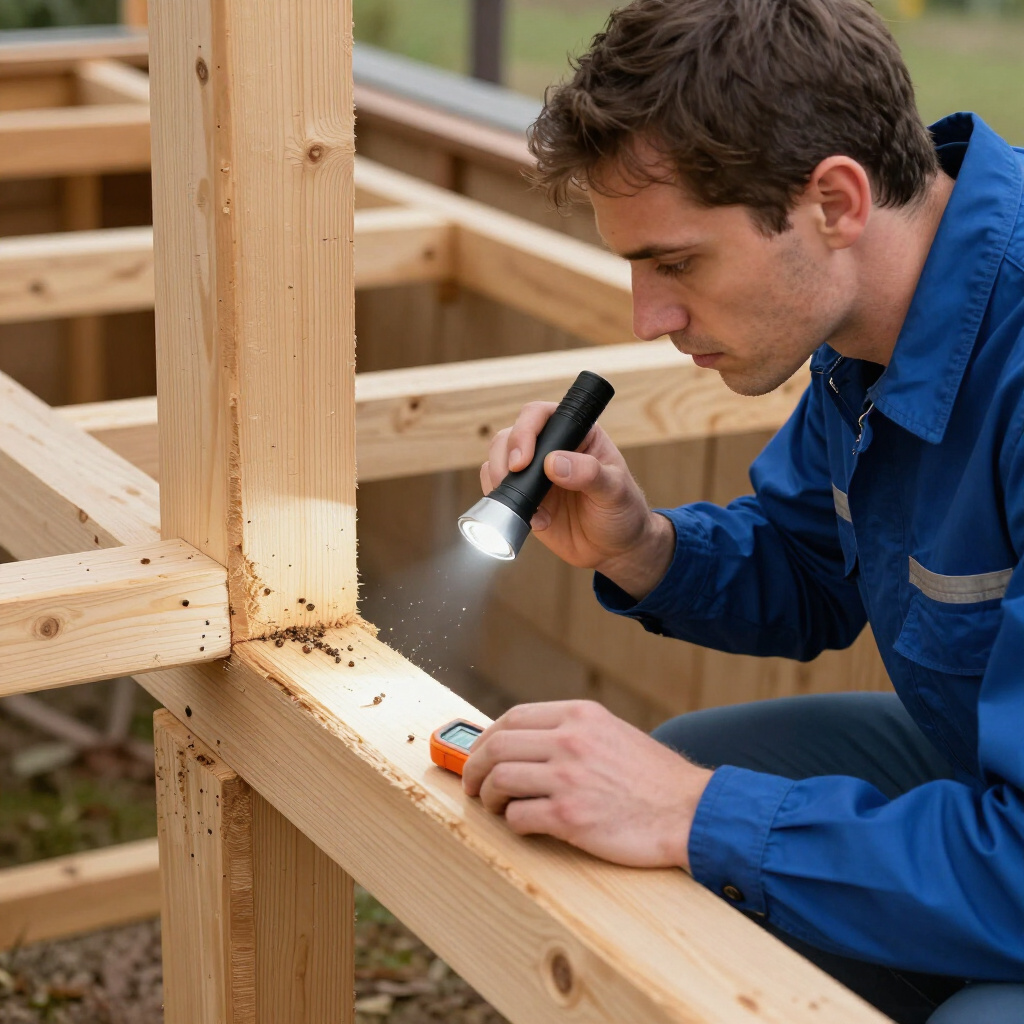
Walk around your home's foundation and examine windows, doors, utility penetrations, and vents. Common entry points include gaps under door sweeps, torn window screens, cracks in foundation walls, and openings around pipes, cables, and dryer vents. Even weep holes in brick veneer—necessary for moisture management—can serve as spider highways.
Seal cracks and crevices with quality silicone caulk. For larger gaps, use steel wool combined with caulk or expandable foam. Replace damaged weatherstripping and install door sweeps that actually touch the ground. Repair or replace torn screens, and consider adding fine mesh over weep holes and vents that still allow airflow but block arachnid access.
Don't forget your roofline and attic. Spiders frequently enter through gaps in soffits, fascia boards, and around chimney flashings. A well-sealed home benefits you beyond spider control—it also improves energy efficiency and keeps out other pests.
Remove What's Attracting Them Indoors
Spiders don't wander into your home for shelter alone. They're predators following their food source: other insects. If your house has a steady supply of flies, moths, ants, or other small bugs, spiders will set up shop and stay for the buffet.
Reduce interior lighting that spills outside, especially near entry doors. Insects swarm to light sources at night, and spiders follow. Switch to warm-colored LED bulbs or motion-activated fixtures, and draw blinds or curtains in the evening. Exterior lights should direct downward rather than illuminating walls where spiders can build capture webs.
Inside, practice impeccable food hygiene. Crumbs, uncovered fruit, pet food left out overnight, and overflowing trash all attract insects. Wipe counters daily, store pantry goods in sealed containers, and take garbage out regularly. Fix leaky faucets and pipes—moisture draws both insects and the spiders that hunt them.
Declutter storage areas aggressively. Cardboard boxes, piles of newspapers, and undisturbed clothing provide perfect harborage for spiders and their prey. Replace cardboard with plastic bins that seal tightly, and disturb quiet corners periodically by vacuuming and reorganizing.
Landscaping and Exterior Maintenance That Works
Your yard and home's immediate surroundings create either a spider deterrent or an invitation. The goal isn't to eliminate spiders from your property—they're beneficial predators in outdoor ecosystems—but to discourage them from colonizing areas adjacent to your home.
Move firewood, compost bins, and rock piles at least twenty feet from your foundation. These are spider condominiums, especially species that pose legitimate concerns like brown recluses and black widows. Trim shrubs, tree branches, and dense ground cover so nothing touches your home's exterior walls or roof. This eliminates convenient bridges and reduces the sheltered microhabitats spiders prefer.
Keep gutters clean and functioning. Clogged gutters with decaying leaf matter attract insects and retain moisture—both spider magnets. Ensure downspouts direct water well away from your foundation to prevent damp, attractive conditions.
Consider your mulch choices carefully. Thick layers of organic mulch against the foundation create ideal spider habitat. Reduce depth, maintain a gap between mulch and siding, or switch to inorganic alternatives like gravel in the immediate perimeter zone.
Key Tips for Ongoing Spider Management
Even with excellent prevention, some spider activity is normal and manageable. These targeted strategies help you maintain control without overreacting.
Vacuum regularly and thoroughly, including baseboards, corners, behind furniture, and ceiling junctions. Your vacuum is the single most effective spider control tool—it removes live spiders, egg sacs, and the webbing that traps prey and signals "good hunting" to wandering spiders. Dispose of the canister or bag outside promptly.
Use sticky traps strategically in basements, crawl spaces, garages, and utility rooms. These monitor spider activity and catch individuals without chemicals. Place traps along walls where spiders travel, not randomly in open floor space. Check them regularly to identify which species are present and whether your control efforts are working.
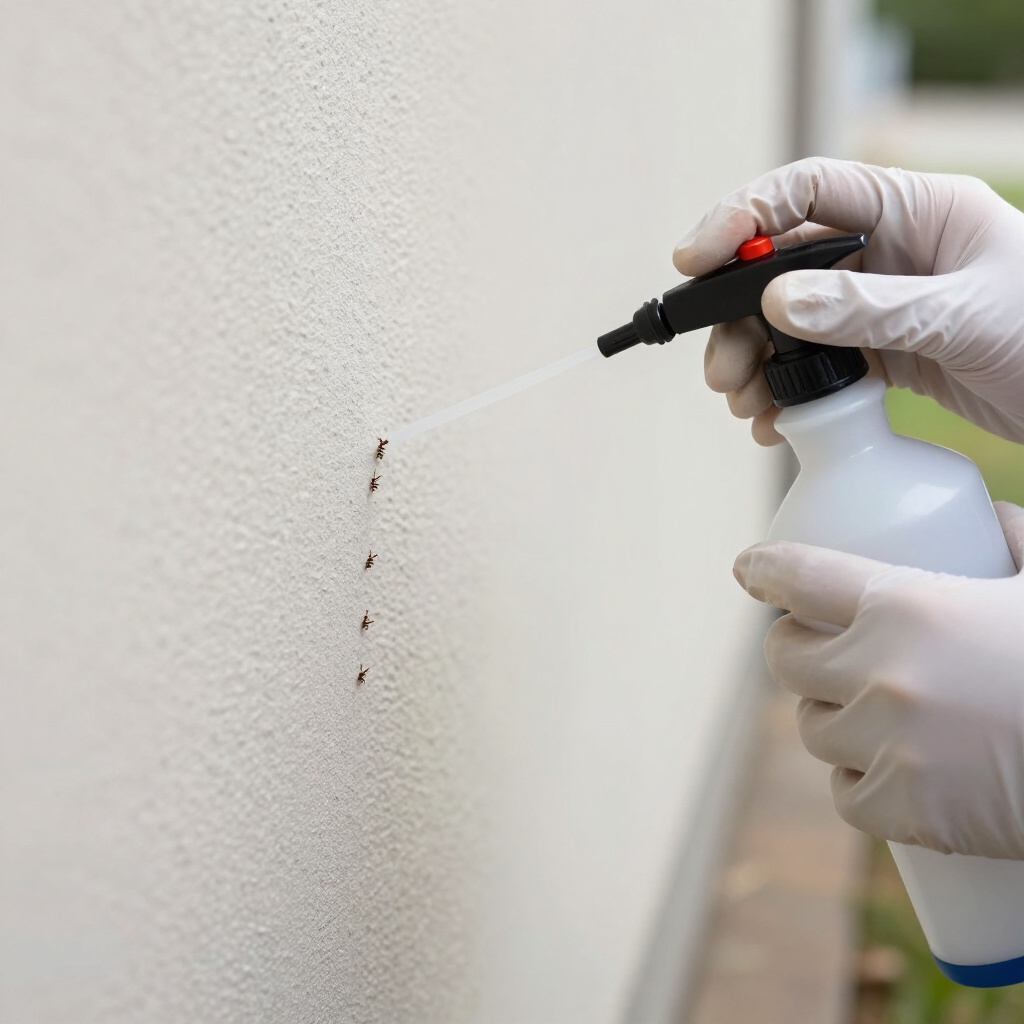
For persistent problems, targeted pesticide applications have their place, but use them judiciously. Most over-the-counter sprays kill on contact but provide little residual protection against spiders specifically. Professional pest control services can apply appropriate products to harborage areas, foundation perimeters, and entry points with better precision and longer-lasting formulations.
Essential oils like peppermint, tea tree, and citrus receive much social media attention as spider repellents. While these may have mild deterrent effects in concentrated applications, they're not reliable standalone solutions. If you enjoy the scent, a diluted spray around entry points won't hurt and might contribute marginally to your integrated approach.
When to Call a Professional
Most household spiders are harmless and even helpful. However, certain situations warrant professional intervention: recurring sightings of venomous species like black widows or brown recluses, heavy infestations that suggest an underlying pest problem, spider bites of unknown origin, or simply if arachnophobia makes effective self-treatment impossible. A qualified pest control technician can identify species accurately, address root causes, and implement targeted treatments that respect your family's safety and the environment.
Final Thoughts
Learning how to keep spiders out of your house comes down to three fundamentals: exclude them physically, eliminate their food and shelter indoors, and manage your exterior environment to reduce pressure near your home. No single tactic guarantees a spider-free existence, but combining these strategies creates conditions where spiders naturally prefer to be elsewhere. Stay consistent with maintenance, act quickly when you spot vulnerabilities, and you'll spend far less time surprised by eight-legged visitors—and more time enjoying your home in peace.