
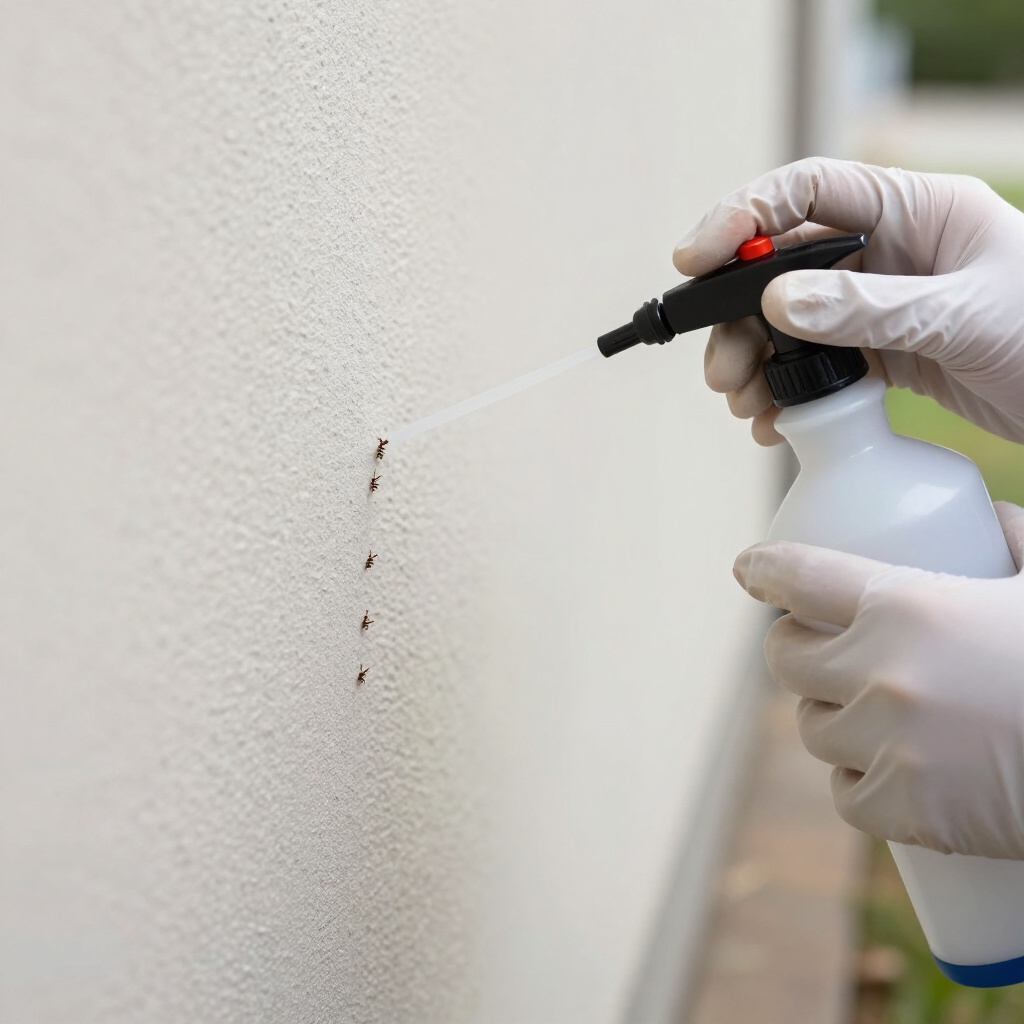


Few things are more frustrating than spotting a trail of ants marching across your kitchen counter or finding them clustered around a forgotten crumb. Once ants discover a reliable food source in your home, they communicate that information to their entire colony, turning a few curious scouts into a full-blown invasion. The good news? With the right preventive strategies, you can make your home far less appealing to these persistent pests and stop problems before they start.
How to Prevent Ants From Invading Your Home Through Smart Sanitation
The most effective ant prevention starts with eliminating what attracts them in the first place: food and water. Ants have incredibly sensitive antennae that can detect even tiny amounts of sugars, proteins, and fats from impressive distances. Your kitchen should be your primary focus.
Clean countertops daily with a solution of vinegar and water, which removes scent trails left by foraging ants while also wiping away food residue. Pay special attention to corners, under appliances, and along baseboards where crumbs tend to accumulate. Sweep or vacuum floors regularly, and don't forget to pull out the refrigerator and stove periodically for a deeper clean.
Food storage matters enormously. Keep pantry items like sugar, flour, and cereal in airtight glass or thick plastic containers with secure lids. Ants can easily infiltrate cardboard boxes and thin plastic bags. Ripe fruit should live in the refrigerator rather than on the counter, and pet food bowls should be elevated or placed in a shallow dish of soapy water to create a moat ants cannot cross.
Moisture control is equally important. Fix leaky faucets and pipes promptly, wipe down sinks after use, and ensure your bathroom has adequate ventilation. Some ant species are drawn to damp environments, and even a small, consistent water source can sustain a colony.
Seal Entry Points to Block Ant Access
Ants are remarkably resourceful at finding ways inside. The average home has dozens of potential entry points you might never notice without careful inspection. Conducting a thorough perimeter check twice yearly—ideally in spring and fall—helps you stay ahead of invasions.
Examine your foundation for cracks and gaps, paying special attention to where utility lines enter your home. These penetrations often have small spaces around them that ants exploit. Seal them with silicone caulk or expandable foam designed for pest exclusion. Weatherstripping around doors and windows should be intact and flexible; replace anything cracked or compressed.
Don't overlook higher access points. Tree branches that touch or overhang your roof create natural bridges for ants. Trim vegetation back at least six to twelve inches from your home's exterior. Similarly, check that window screens are free of tears and fit tightly in their frames.
Inside your home, inspect where plumbing and electrical lines pass through walls. These interior gaps, often hidden in cabinets and closets, can serve as highways once ants breach the exterior. Steel wool combined with caulk works well for larger openings, as ants cannot chew through the metal fibers.
Key Tips for Maintaining a Long-Term Ant Defense
Prevention requires ongoing attention rather than one-time fixes. Incorporate these habits into your regular home maintenance routine for lasting protection.
Manage your outdoor space thoughtfully. Ants that thrive near your foundation are more likely to venture inside. Keep mulch and decorative bark at least twelve inches away from your home's siding—these materials retain moisture and provide ideal nesting conditions. Store firewood off the ground and away from exterior walls, as stacked wood frequently harbors ant colonies.
Be strategic with how you handle existing ant sightings. When you spot a few scouts, resist the urge to simply squash them and move on. Instead, use them to your advantage by following their trail to identify what attracted them and how they're entering. Clean that path thoroughly with soapy water or vinegar to disrupt their pheromone communications.
Consider natural deterrents for vulnerable areas. Diatomaceous earth sprinkled in dry, out-of-reach locations like behind appliances or in wall voids can be effective against ants that cross it. Essential oils such as peppermint, tea tree, and lemon eucalyptus have shown some repellent properties when applied around entry points, though these require frequent reapplication and work best as supplementary measures rather than primary solutions.
For persistent problems or if you suspect a larger colony has established itself nearby, professional evaluation becomes worthwhile. Pest control experts can identify the specific ant species—which matters significantly, as treatment approaches vary—and locate hidden nests that DIY methods might miss.
Final Thoughts
Preventing ants from invading your home comes down to consistency and attention to detail. By maintaining rigorous sanitation standards, sealing potential entry points, and managing your property to reduce favorable conditions near your foundation, you create an environment where ants simply cannot thrive. These efforts protect not just your food and surfaces, but your peace of mind. When prevention needs reinforcement, professional pest control services can provide targeted solutions that address the specific challenges of your home and region.