

Finding an unwelcome critter in your home can turn a peaceful evening into a stressful scramble. Whether it's ants marching across your kitchen counter or mysterious scratching sounds in the walls, household pests are more than just a nuisance—they can damage your property, contaminate food, and even pose health risks to your family. The good news? Most infestations are entirely preventable with the right knowledge and consistent habits. Let's explore the most common household pests and the practical steps you can take to keep them outside where they belong.
Most Common Household Pests and How to Prevent Them
Understanding what attracts pests in the first place is half the battle. Every creature that invades your home is searching for the same three things: food, water, and shelter. By eliminating access to these essentials, you create an environment that's fundamentally unwelcoming to invaders. Here are the pests you're most likely to encounter and the specific strategies that work against each one.
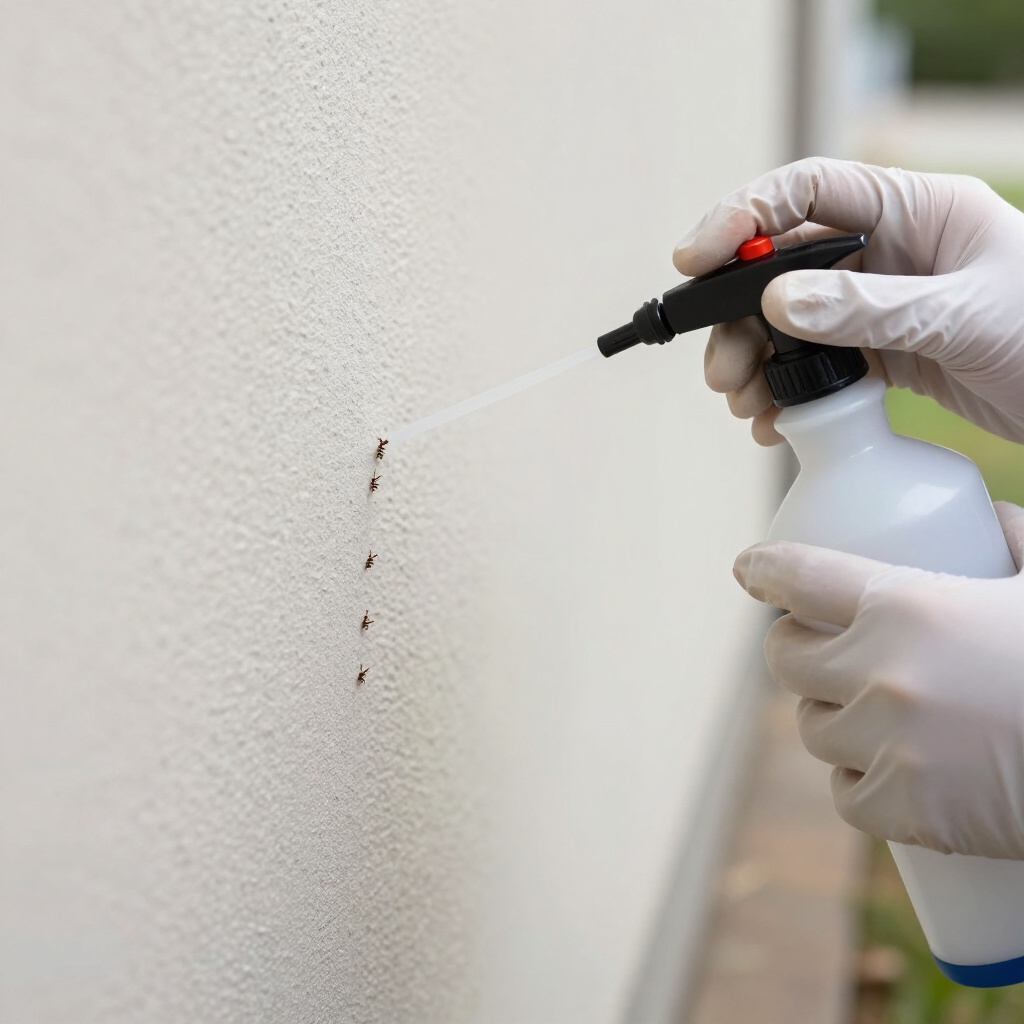
Ants top the list of household complaints, and for good reason—these persistent foragers can detect the tiniest food residues from impressive distances. Prevention starts with impeccable kitchen hygiene. Wipe down counters daily, store dry goods in airtight containers, and never leave pet food sitting out overnight. Seal cracks around windows, doors, and your home's foundation with silicone caulk, as these are common entry highways. If you spot a scout ant, eliminate it immediately and clean the trail with vinegar to disrupt the pheromone signals guiding its colony mates.
Cockroaches thrive in warm, humid environments with readily available food and water sources. These nocturnal pests can squeeze through gaps as thin as a dime, making vigilance essential. Fix leaky faucets and pipes promptly, use dehumidifiers in damp basements, and keep your home free of clutter where roaches can hide. Pay special attention to kitchen appliances—crumbs accumulate under refrigerators and stoves, creating perfect feeding stations. Store garbage in sealed containers and take it out regularly.
Spiders generally prefer the outdoors but venture inside when following prey or seeking shelter from extreme weather. While most household spiders are harmless and actually help control other insects, their presence still unsettles many homeowners. Reduce spider populations by eliminating their food source: other bugs. Keep outdoor lighting minimal or switch to yellow bulbs that attract fewer insects. Remove webs promptly, seal exterior cracks, and maintain tidy storage areas where spiders might establish territories.
Rodents like mice and rats become particularly problematic as seasons change and outdoor temperatures drop. These destructive pests can chew through electrical wiring, insulation, and even structural elements. Prevention requires a combination of exclusion and environmental management. Inspect your home's exterior for gaps larger than a quarter-inch—steel wool and metal flashing effectively block these entry points. Trim tree branches and shrubs away from your roofline and walls, eliminating bridges rodents use to access your home. Inside, store food in chew-proof containers and address any moisture issues immediately.
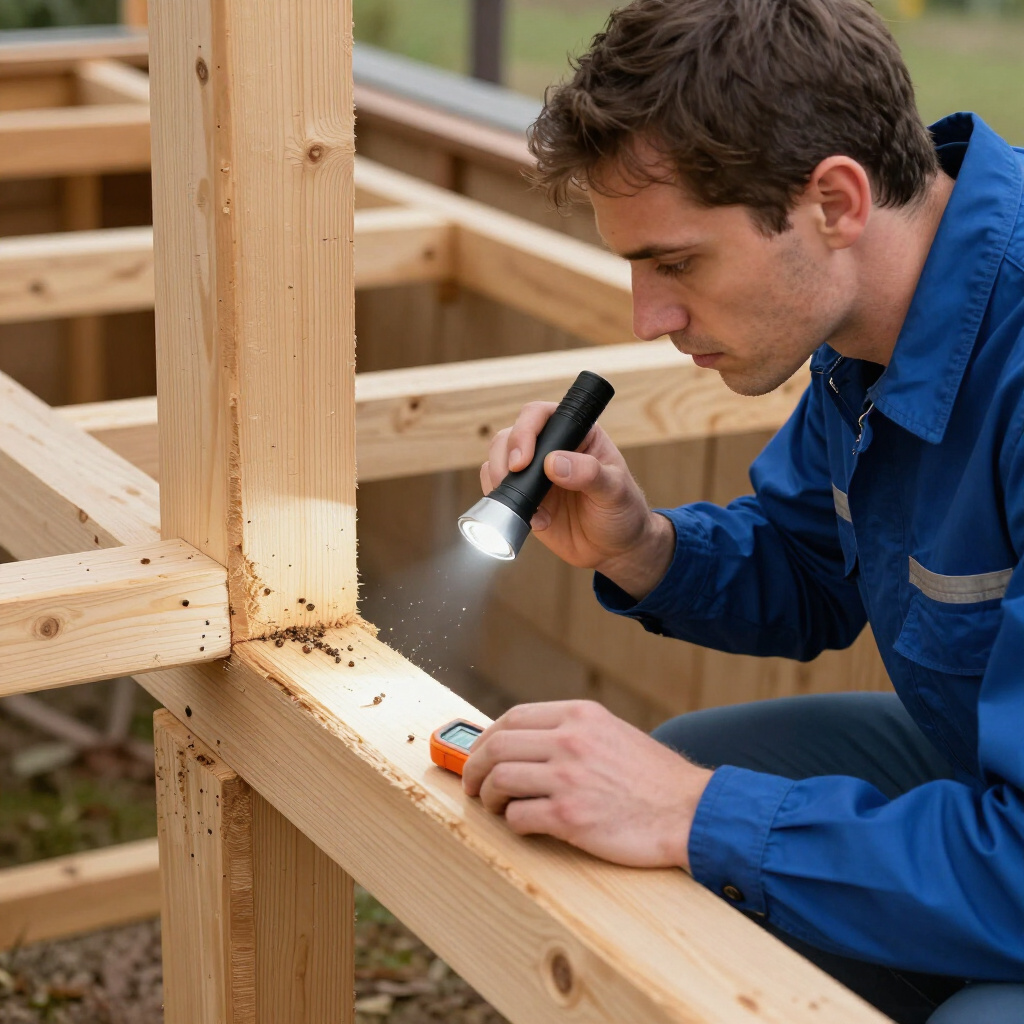
Termites represent one of the most financially devastating pest threats homeowners face, often causing extensive damage before detection. These silent destroyers require professional intervention, but prevention significantly reduces your risk. Maintain proper drainage around your foundation, keeping soil and mulch at least six inches below wooden siding. Repair leaking outdoor faucets and direct downspouts away from your home. Remove wooden debris, stumps, and stored lumber from your property perimeter. Annual professional inspections are invaluable for catching termite activity early.
Mosquitoes transform pleasant evenings into itchy ordeals and can transmit serious diseases. These prolific breeders need surprisingly little water to reproduce. Walk your property weekly to eliminate standing water in clogged gutters, plant saucers, birdbaths, and children's toys. Keep swimming pools properly chlorinated and maintained. For outdoor living spaces, consider installing ceiling fans—mosquitoes are weak fliers and struggle against even gentle air currents. Repair torn window screens and ensure door sweeps create proper seals.
Bed bugs have experienced a troubling resurgence, hitchhiking into homes via luggage, furniture, and clothing. Prevention demands particular vigilance when traveling. Inspect hotel mattresses, headboards, and upholstered furniture before settling in. Keep luggage elevated on racks rather than on floors or beds. Upon returning home, immediately wash and dry travel clothes on high heat. Be cautious with secondhand furniture—thoroughly inspect and treat items before bringing them indoors. Encase mattresses and box springs in protective covers that eliminate hiding spots.
Foundation Prevention Strategies That Protect Against Multiple Pests
Certain preventive measures offer broad protection across pest categories, making them exceptionally efficient investments of your time and effort.
Start with a comprehensive home inspection from the outside in. Examine your foundation, siding, roofline, and utility penetrations for gaps, cracks, and deteriorated seals. Weatherstripping around doors and windows wears over time and requires periodic replacement. Don't overlook less obvious entry points like dryer vents, chimney gaps, and where cables or pipes enter your home.
Your landscaping choices significantly impact pest pressure. Maintain a vegetation-free zone of at least twelve inches around your foundation—this eliminates cover for pests approaching your home and improves air circulation that keeps siding dry. Store firewood at least twenty feet from your house and elevate it off the ground. Avoid overwatering lawns and gardens, as saturated soil drives many pests toward drier shelter.
Inside your home, adopt storage practices that discourage pest establishment. Use plastic bins with tight-fitting lids rather than cardboard boxes, which silverfish, roaches, and rodents readily inhabit and consume. Keep storage areas organized and elevated, allowing for inspection and cleaning access. Regularly rotate stored items, particularly in basements, attics, and garages where infestations often develop unnoticed.
Key Tips for Long-Term Pest Management
Consistency ultimately determines prevention success. Establish these habits to maintain your home's defenses year-round.
Develop a seasonal maintenance calendar. Spring demands gutter cleaning and exterior inspection after winter weather damage. Summer requires vigilant moisture management and mosquito prevention. Fall is critical for rodent exclusion before temperatures drive them indoors. Winter offers opportunity for deep cleaning and interior inspection during reduced pest activity.
Practice mindful food storage throughout your home, not just the kitchen. Birdseed, pet food, and even certain craft supplies attract pests when improperly stored. Consider where you eat—crumbs in bedrooms, home offices, and vehicles create scattered attractants that expand pest foraging range.
Know when professional help becomes necessary. While DIY prevention handles most situations, certain signs warrant expert intervention: recurring infestations despite your efforts, structural damage, stinging insect nests near living areas, or any pest that threatens health and safety. Professional pest control services provide targeted treatments, ongoing monitoring, and specialized knowledge that protects your investment in your home.
Finally, educate everyone in your household about pest-conscious habits. Children can learn to report spills promptly and avoid leaving snacks in bedrooms. Partners can share responsibility for maintenance tasks. When prevention becomes a collective priority, your home's protection multiplies.
Final Thoughts
The most effective approach to household pests combines understanding, vigilance, and consistent action. No single tactic guarantees immunity, but layered strategies addressing entry, attraction, and habitat create formidable protection. Start with the fundamentals—seal your home, manage moisture, store food properly, and maintain cleanliness. Then tailor additional measures to the specific pests common in your region and season.
Remember that prevention always costs less than remediation, both financially and in peace of mind. The time you invest today in pest-proofing your home pays dividends through undisturbed sleep, preserved property value, and the simple comfort of knowing your space truly belongs to you and your family alone.