


When ants march across your kitchen counter or aphids cluster on your tomato plants, reaching for a harsh chemical spray might feel like your only option. But more homeowners are discovering that natural pest control methods can be remarkably effective—without the health risks, environmental damage, or lingering chemical odors. The key is knowing which approaches genuinely work and how to apply them correctly. Whether you're protecting your garden, your pantry, or your family's wellbeing, these proven strategies can help you reclaim your space from unwanted invaders.
Natural Pest Control Methods That Actually Work in Your Home
Your kitchen and pantry are prime targets for pests seeking food, water, and shelter. Fortunately, several natural approaches can stop infestations before they escalate.
Diatomaceous earth deserves top mention. This fine powder, made from fossilized aquatic organisms, works mechanically rather than chemically. When crawling insects like ants, cockroaches, and silverfish contact it, the abrasive particles damage their exoskeletons, causing dehydration and death within days. Food-grade diatomaceous earth is safe around pets and children—simply dust it along baseboards, behind appliances, and in pantry corners. Reapply after vacuuming or if the area becomes damp, as moisture reduces effectiveness.
Essential oils offer another powerful line of defense. Peppermint oil repels spiders and mice, while tea tree and eucalyptus oils deter ants and flies. Create a spray by mixing 15-20 drops with water in a glass bottle, then apply to entry points, windowsills, and problem areas. The scent fades for humans within hours but remains detectable to pests for days. For best results, reapply every 5-7 days and rotate between oil types to prevent pests from adapting.
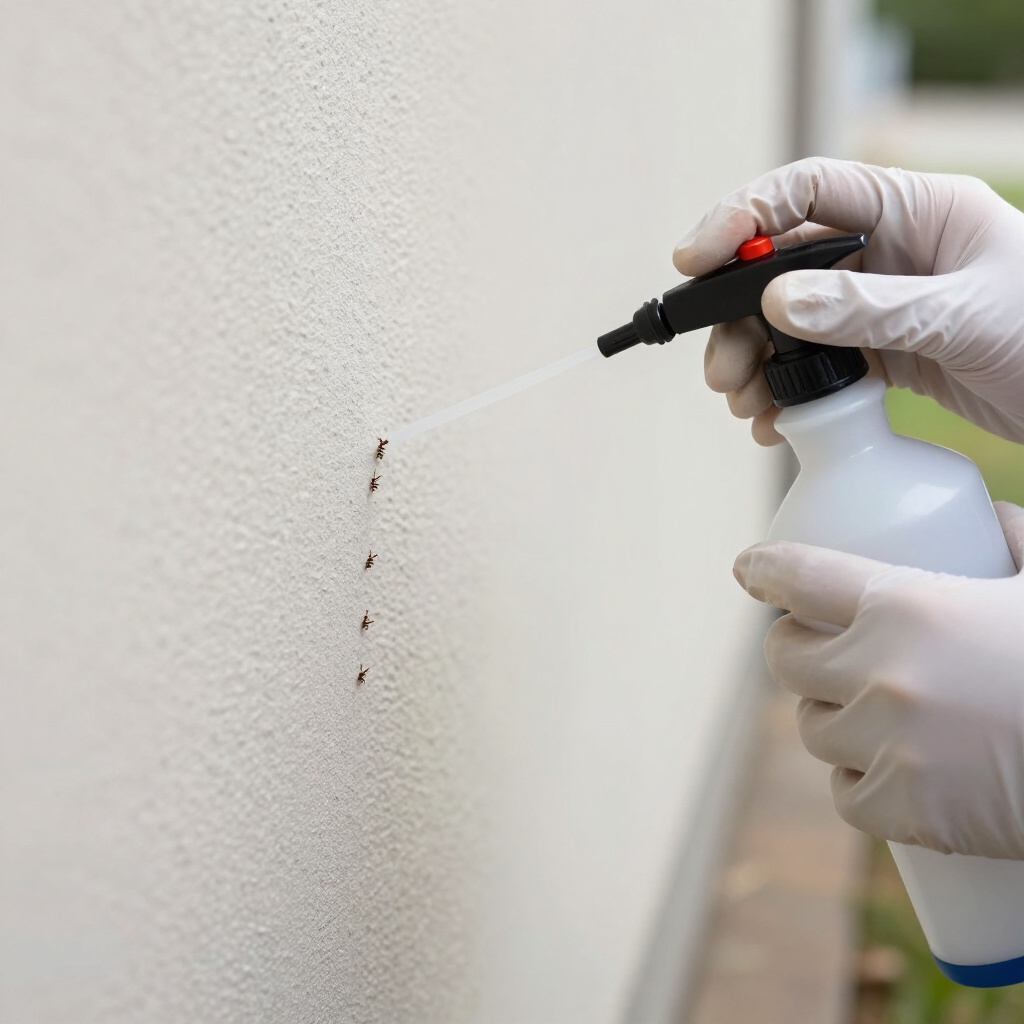
Vinegar solutions disrupt ant trails by destroying the pheromone markers they leave for colony mates. A 50/50 mixture of white vinegar and water, sprayed directly on trails and entry points, forces ants to abandon established routes. For ongoing prevention, wipe down countertops and floors with this solution weekly.
Physical barriers matter too. Steel wool stuffed into gaps and cracks blocks rodent entry—mice cannot chew through it. Copper mesh works similarly for larger openings, and unlike expanding foam, pests won't gnaw through it to create new pathways.
Natural Pest Control Methods That Actually Work in Your Garden
Outdoor pest management requires a different toolkit, one that protects beneficial insects while targeting true pests.
Companion planting leverages natural plant relationships to deter pests. Marigolds release compounds from their roots that repel nematodes, while their strong scent confuses aphids and whiteflies. Nasturtiums act as trap crops, drawing aphids away from vegetables. Basil planted near tomatoes repels flies and mosquitoes, and its proximity may even improve tomato flavor. The key is strategic placement—interplant these companions throughout your garden rather than isolating them in borders.
Beneficial insects provide biological control that persists season after season. Ladybugs consume up to 50 aphids daily, while lacewing larvae prey on mites, thrips, and caterpillars. Praying mantises tackle larger pests. Attract these allies by planting dill, fennel, yarrow, and other umbrella-shaped flowers that provide nectar and habitat. Avoid broad-spectrum treatments that harm these helpful predators alongside target pests.
Neem oil, derived from the neem tree, disrupts insect feeding and reproduction. Unlike synthetic pesticides, it targets specific pests—aphids, scale, spider mites, and leafminers—while remaining relatively harmless to bees and butterflies when applied in early morning or evening. Mix according to label directions and coat leaf surfaces thoroughly, including undersides where pests hide. Repeat applications every 7-14 days during active infestations.
Handpicking and water sprays remain underrated techniques. Removing tomato hornworms or Japanese beetles by hand, dropping them into soapy water, eliminates reproducing adults before they lay eggs. A strong jet of water dislodges aphids and spider mites without chemicals. These methods require consistency—checking plants every 2-3 days during peak season—but deliver results without any product cost.
Key Tips for Success with Natural Approaches
Natural pest control demands more patience and precision than chemical alternatives, but the long-term rewards justify the effort.
Identify correctly before treating. Many insects are beneficial or harmless. Misidentifying a pollinator larva as a pest leads to unnecessary intervention. Use extension service resources or reputable field guides to confirm identifications before acting.
Start early and stay consistent. Natural methods work preventatively or at early infestation stages. A few ants respond to vinegar and diatomaceous earth; a mature colony may require professional intervention. Inspect regularly, especially during seasonal transitions when pests seek new shelter.
Combine multiple tactics. Integrated pest management—using barriers, biological controls, and targeted treatments together—outperforms any single method. Exclusion prevents entry; beneficial insects reduce outdoor pressure; and spot treatments address remaining problems.
Address attractants and access. No treatment succeeds if food, water, and entry points remain available. Store pantry items in sealed glass or metal containers. Fix leaky faucets and improve ventilation in damp areas. Trim vegetation away from foundations and seal utility penetrations with appropriate materials.
Evaluate and adjust. Track which methods work in your specific conditions. A technique effective in dry climates may need modification in humid regions. Note timing, weather, and pest life cycles to refine your approach season by season.
Final Thoughts
Natural pest control methods that actually work require understanding pest biology, applying appropriate techniques consistently, and maintaining realistic expectations about timelines. Chemical pesticides offer quick kills but often create resistant populations, harm non-target species, and leave residues in your living spaces. The natural alternatives outlined here—diatomaceous earth, essential oils, companion planting, beneficial insects, and vigilant cultural practices—build sustainable, resilient protection for your home and garden.
The most successful natural pest management happens through prevention and early intervention. By making your property less hospitable to pests from the outset and responding promptly when signs appear, you minimize the need for any corrective measures. When problems exceed your comfort level or expertise, professional pest control services can implement targeted, reduced-risk solutions that align with your preference for natural approaches. The goal isn't perfection—it's creating healthy, balanced environments where pest pressures remain manageable without compromising your values or safety.