
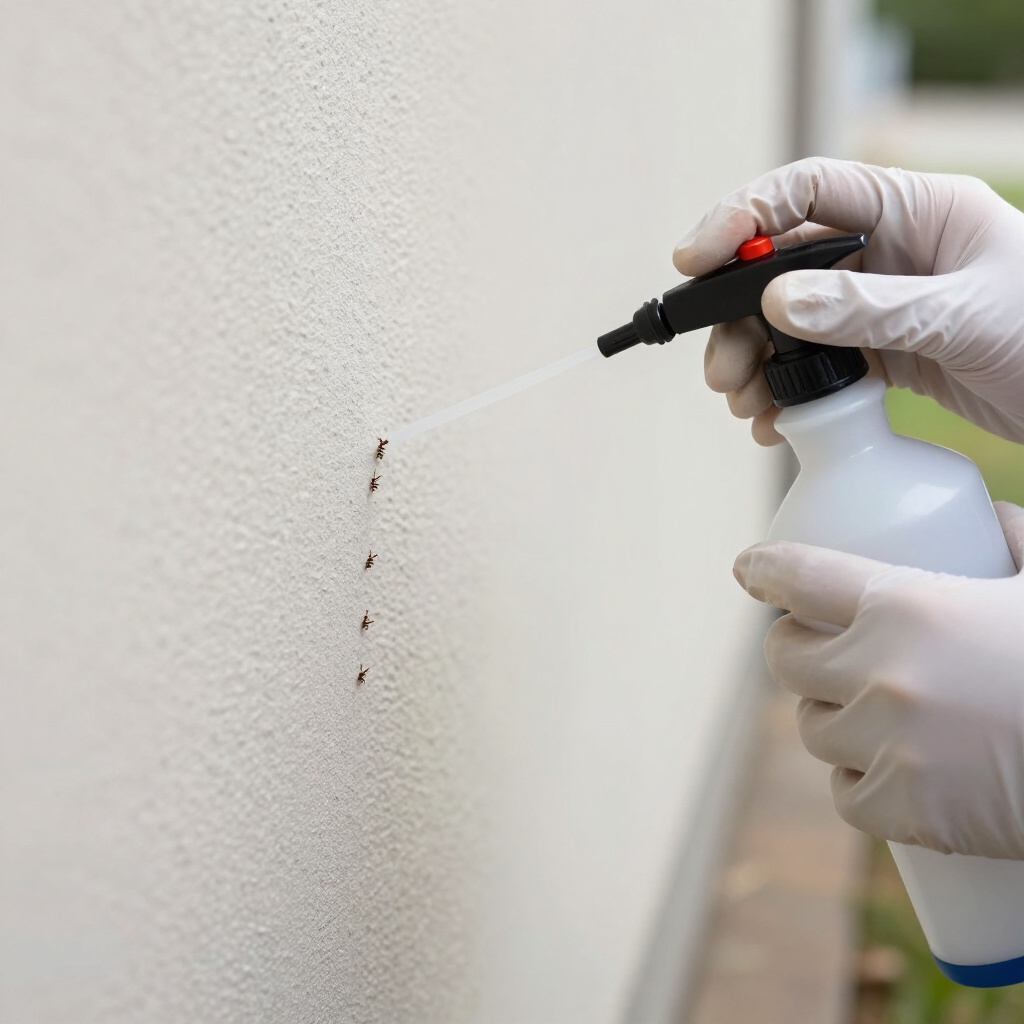


Keeping your home pest-free isn't a one-time task—it's a year-round commitment that changes with the seasons. Each time of year brings different pests looking for food, shelter, or a place to breed. By following a seasonal pest control checklist, homeowners can stay ahead of infestations before they start, saving money, stress, and potential damage to their property. Here's your complete guide to protecting your home through every season.
Spring Pest Control Checklist: Awakening Pests and Prevention
Spring is when pest activity ramps up dramatically. As temperatures rise, ants, termites, wasps, and spiders become active and start searching for food and nesting sites. Your spring pest control checklist should begin with a thorough exterior inspection. Walk around your home and seal any cracks or gaps in your foundation, siding, and around windows and doors. Even small openings can serve as welcome mats for insects.
Pay special attention to moisture issues. Spring rains create ideal conditions for pests like termites, silverfish, and cockroaches. Clean your gutters, fix leaky outdoor faucets, and ensure proper drainage away from your foundation. Trim back bushes and tree branches that touch your home—these act as highways for ants and other crawling insects.
Inside, inspect your kitchen and pantry for signs of pantry pests such as Indian meal moths or weevils. Discard expired food items and store dry goods in airtight containers. If you notice mud tubes along your foundation or swarmers (winged termites), contact a pest control professional immediately.
Summer Pest Control Checklist: Peak Activity and Vigilance
Summer brings the highest pest activity of the year. Mosquitoes, flies, wasps, ants, and ticks are all at their most active, making this the most demanding season for your pest control checklist. Outdoor living spaces require particular attention during these months.
Eliminate standing water wherever possible—this is the single most effective step for mosquito control. Check flower pot saucers, bird baths, clogged gutters, and low spots in your yard. Refresh water in bird baths every few days. For wasp and hornet prevention, inspect eaves, soffits, and sheltered areas weekly for early nest formation. Small nests are much easier to remove than established colonies.
Keep your outdoor garbage bins tightly sealed and clean them regularly to avoid attracting flies and yellowjackets. When entertaining outdoors, cover food and drinks, and consider using fans—the breeze discourages flying insects. Inside, maintain rigorous kitchen cleanliness. Wipe counters daily, store fruit in the refrigerator, and take out garbage frequently to discourage fruit flies and ants.
Don't forget about your pets' role in pest control. Keep dogs and cats on veterinarian-recommended flea and tick prevention, and check them regularly after outdoor activities. Ticks in particular pose serious health risks and often enter homes hitchhiking on pets or clothing.
Fall Pest Control Checklist: The Invasion Season
As temperatures drop, pests begin seeking winter shelter—and your warm home looks incredibly inviting. Rodents, stink bugs, lady beetles, boxelder bugs, and spiders all attempt to move indoors during fall. This makes your seasonal pest control checklist especially critical for prevention.
Start by conducting another detailed exterior inspection, even more thorough than spring. Install door sweeps on all exterior doors, repair damaged screens, and seal utility penetrations with appropriate materials. Steel wool combined with caulk works excellently for rodent entry points, as mice cannot chew through it. Check your roofline, vents, and chimney caps—these are common but often overlooked entry points for squirrels, raccoons, and bats.
Store firewood at least twenty feet from your home and elevate it off the ground. Woodpiles attract termites, carpenter ants, and rodents, and stacked against your home provide a direct bridge indoors. Rake fallen leaves promptly and maintain a tidy yard—debris creates harborage for overwintering pests.
Inside, declutter basements, attics, and garages where rodents might nest. Store holiday decorations and seasonal items in plastic bins rather than cardboard boxes, which mice readily chew through and use for nesting material.
Winter Pest Control Checklist: Hidden Threats and Preparation
Winter might seem quiet for pest concerns, but this is when indoor infestations often reveal themselves. Rodents that entered in fall become active in your walls and attic. Cockroaches and silverfish persist in warm, humid areas like kitchens and bathrooms. Your winter pest control checklist focuses on detection and preparation for the coming year.
Listen for scratching or scurrying sounds in walls or ceilings, especially at night. Inspect your attic and basement for droppings, gnaw marks, or damaged insulation. Set traps if you suspect rodent activity, but consider professional help for larger infestations or if you're uncomfortable handling this yourself.
Continue monitoring for moisture issues. Winter heating can create dry conditions that drive some pests deeper into your home, while condensation in bathrooms and kitchens can attract others. Use exhaust fans, dehumidifiers, and proper ventilation to maintain balanced humidity.
Use the quieter winter months to plan ahead. Research pest control professionals in your area, schedule annual termite inspections, and make a list of home repairs to tackle in spring. This proactive approach ensures you'll be ready when pest activity resumes.
Key Tips for Year-Round Success
Certain practices strengthen your pest defense regardless of season. Consistency matters more than intensity—regular small efforts outperform occasional major campaigns.
First, establish a routine inspection habit. Monthly walkthroughs of your home's interior and exterior help you catch problems early. Keep a simple log of what you observe and when, which helps identify patterns and emerging issues.
Second, practice good sanitation throughout your home. Pests need food, water, and shelter to survive. Eliminating access to these necessities makes your home far less attractive. This means prompt cleanup of spills and crumbs, proper food storage, managing pet food and water stations, and reducing clutter where pests can hide.
Third, know when to call professionals. DIY methods work well for minor, isolated issues, but certain situations demand expert intervention. Recurring infestations, structural pests like termites, stinging insect nests in dangerous locations, and any pest problem that affects your health or peace of mind warrant professional pest control services. A reputable company can also provide customized guidance for your specific home and region.
Finally, coordinate with neighbors when possible. Pests don't respect property lines. Community-wide efforts, particularly for mosquitoes and rodents, dramatically improve effectiveness for everyone involved.
Final Thoughts
A thoughtful seasonal pest control checklist transforms pest management from reactive stress into proactive confidence. By understanding what pests each season brings and taking timely, targeted actions, you protect your home, your family, and your investment throughout the year. Start with this checklist, adapt it to your specific situation and local conditions, and enjoy the peace of mind that comes from staying one step ahead of unwanted visitors.