

Termites are silent destroyers that can compromise your home's structural integrity before you ever realize there's a problem. Unlike other pests that announce their presence with bites, noises, or visible droppings, termites work quietly behind walls, under floors, and inside wooden structures. By the time many homeowners notice the signs of termites, significant damage has already occurred. Learning to recognize the early warning indicators can save you thousands in repair costs and protect your biggest investment. Here's what to watch for so you can act quickly at the first sign of trouble.
Common Signs of Termites Every Homeowner Should Know
Knowing the signs of termites is your first line of defense against these destructive insects. One of the most telling indicators is the presence of mud tubes along your foundation, walls, or crawl spaces. Subterranean termites build these pencil-width tunnels from soil, wood particles, and saliva to travel between their colony and food sources while staying protected from dry air and predators. Break open a mud tube, and you may find active worker termites inside. Even if the tube appears empty, don't assume the threat has passed—termites often rebuild abandoned tunnels quickly.
Another unmistakable sign is discarded wings near windowsills, door frames, or light fixtures. Reproductive termites, called swarmers, emerge in spring to establish new colonies. After their brief flight, they shed their wings in piles that resemble fish scales. Finding these wings indoors almost always means a mature colony exists somewhere in or near your home. Swarmers themselves are often mistaken for flying ants, but termites have straight antennae, a thick waist, and two pairs of equal-length wings. If you see winged insects clustering around your home, capture a sample for professional identification.
Hollow-sounding wood is another red flag that demands immediate attention. Tap on baseboards, window sills, door frames, and hardwood floors with the handle of a screwdriver. Solid wood produces a dull thud, while termite-damaged wood sounds hollow or papery. In advanced cases, you might probe straight through the surface with minimal pressure, revealing the honeycomb pattern of tunnels termites leave behind. Pay special attention to areas with moisture problems, such as bathrooms, kitchens, and laundry rooms, where termites are most likely to establish themselves.
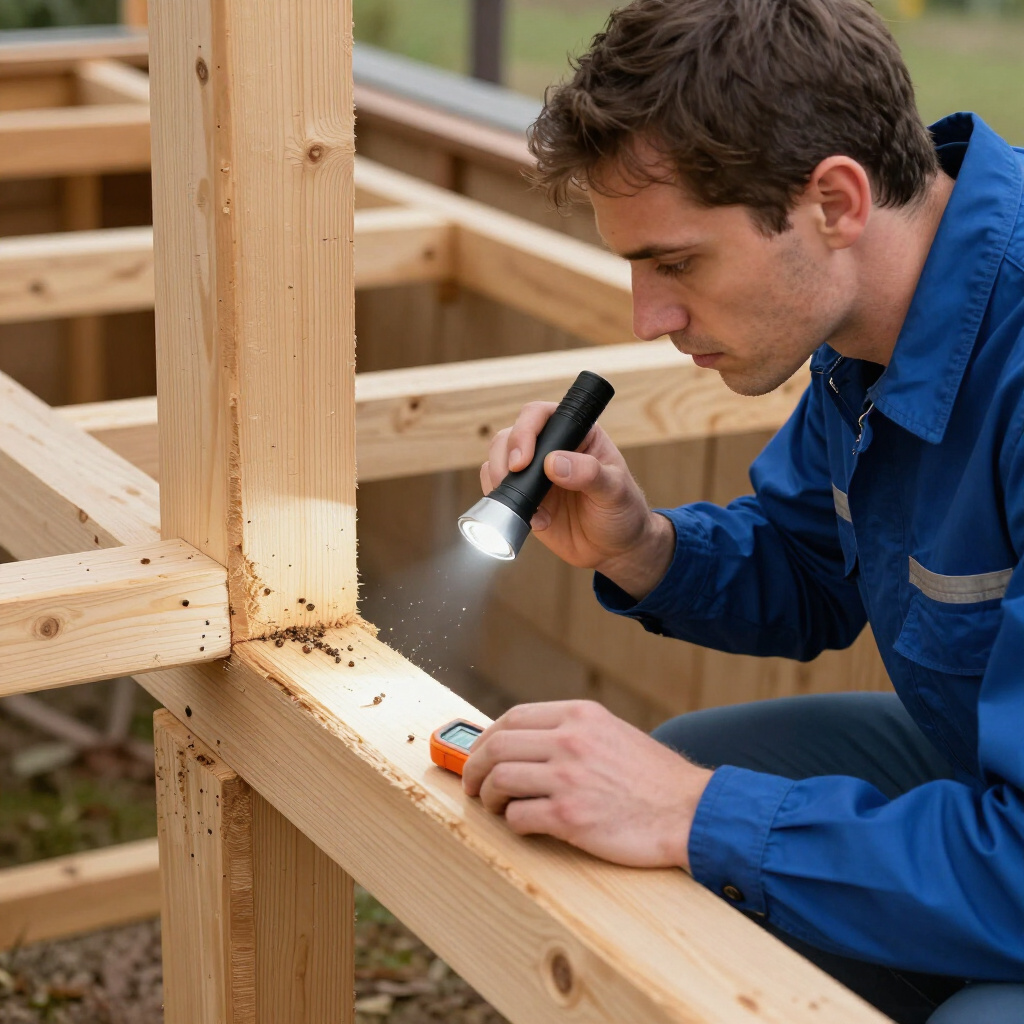
Frass, or termite droppings, indicates a drywood termite infestation. These pellets look like coarse sawdust or coffee grounds and often accumulate in small piles beneath kick-out holes in wood surfaces. Unlike subterranean termites that use their feces to build tunnels, drywood termites push waste out of their galleries. Finding frass on windowsills, beneath furniture, or on floors beneath wooden beams strongly suggests active termites above.
Other subtle signs include bubbling or peeling paint that resembles water damage, doors and windows that suddenly stick or won't close properly, and sagging floors or ceilings. Termites introduce moisture as they consume wood, which causes painted surfaces to distort. Structural shifting from compromised support beams can also make openings fit poorly. If you notice multiple doors becoming difficult to operate simultaneously, termite damage rather than humidity may be the culprit.
Where to Look for Termite Activity Around Your Home
Conducting regular inspections in key areas helps you catch termite problems before they spiral out of control. Start outside by examining your foundation thoroughly, especially where soil meets concrete or brick. Look for mud tubes in cracks, around utility penetrations, and behind bushes or landscaping that touch your exterior walls. Wood mulch, firewood stacks, and wooden fences that contact your home create natural bridges for termites to bypass soil treatments and access your structure.
Inside, inspect your basement, crawl space, and attic with a flashlight. Check wooden support posts, floor joists, and sill plates for damage. In finished areas, examine closets, beneath carpets, and behind appliances where leaks may have occurred. Termites prefer soft, damp wood but will consume any cellulose material including drywall backing, paper, and certain types of insulation. Don't overlook less obvious food sources like cardboard storage boxes in damp garages or basements.
Your roof and attic deserve attention too, particularly if you have wooden shingles or fascia boards. Roof leaks create ideal conditions for dampwood termites, while damaged soffits and eaves provide entry points for aerial colonies. Look for water stains, soft spots in roof decking, and accumulations of frass in attic corners. Annual roof inspections combined with termite awareness create comprehensive protection for your entire structure.
Key Tips for Protecting Your Home
Preventing termite damage requires eliminating the conditions that attract them and maintaining vigilance through regular inspections. First, manage moisture diligently around your property. Ensure gutters direct water away from your foundation, repair leaking faucets and pipes promptly, and improve ventilation in crawl spaces and attics. Consider installing vapor barriers in crawl spaces to reduce humidity levels that termites find irresistible.
Create physical barriers between your home and potential termite food sources. Maintain at least six inches of clearance between soil and wooden siding, and keep mulch, firewood, and lumber piles at least twenty feet from your foundation. Use gravel or rubber mulch near your home's perimeter instead of wood-based products. Trim shrubs and tree branches so they don't touch your exterior walls or roof, removing convenient highways for foraging termites.
Schedule professional termite inspections annually, even if you haven't noticed active signs of termites. Licensed pest control technicians have specialized training, moisture meters, thermal imaging cameras, and other tools to detect hidden activity that homeowners routinely miss. Many companies offer termite bonds or protection plans that include regular monitoring and treatment guarantees, providing valuable peace of mind.
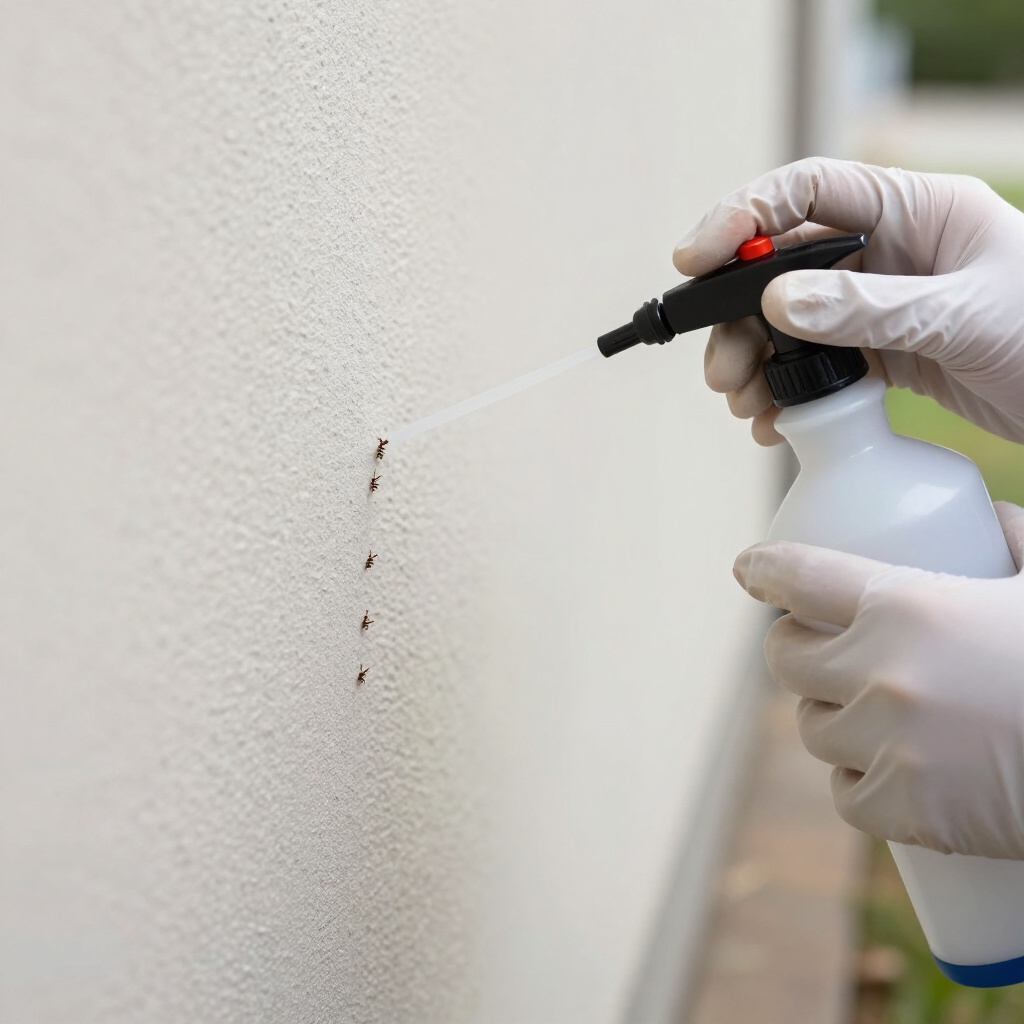
If you discover any warning signs, resist the temptation to handle treatment yourself. Over-the-counter termite products rarely reach the core of an established colony and may simply drive termites deeper into hidden areas, making professional treatment more complicated and expensive later. A qualified pest control professional can identify the termite species, assess the extent of infestation, and recommend appropriate treatment options ranging from localized spot treatments to whole-structure fumigation or soil-applied termiticides.
Final Thoughts
Termites cause billions of dollars in property damage annually, yet much of this destruction is preventable with early detection and prompt professional intervention. By familiarizing yourself with the signs of termites—mud tubes, discarded wings, hollow wood, frass, and moisture-damaged surfaces—you position yourself to catch infestations in their earliest stages. Combine this awareness with smart moisture management, landscape modifications, and annual professional inspections to build a robust defense against these persistent pests. Remember that termites never stop working, so neither should your vigilance in protecting your home.