
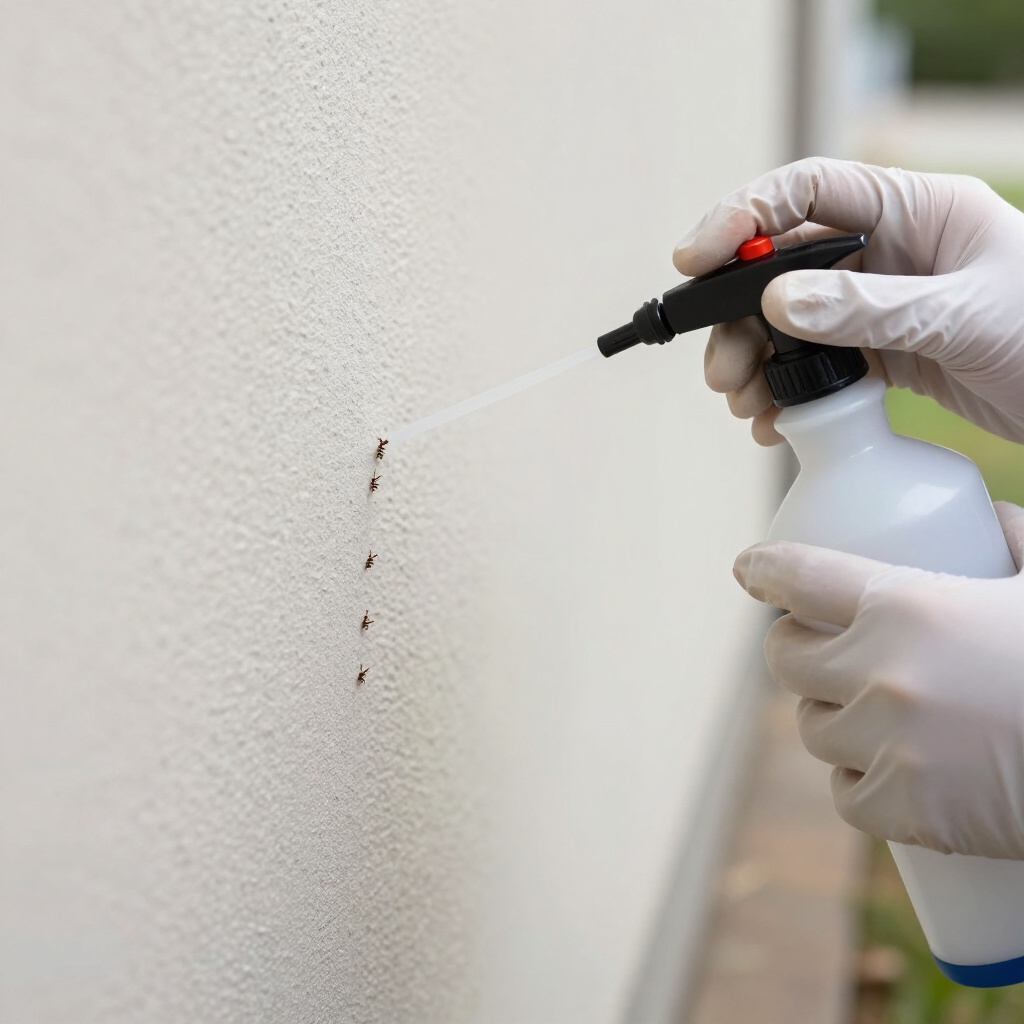

There's a certain pride that comes with handling home maintenance on your own. A squeaky door, a dripping faucet, even a few ants on the kitchen counter—many homeowners reach for the DIY solution first. But when it comes to pests, knowing when to step back and call in reinforcements can save you time, money, and unnecessary stress. Some pest problems are like quick afternoon fixes; others are warning signs of something far more serious hiding behind your walls. Understanding the difference is what keeps a minor inconvenience from becoming a full-blown infestation.
When to Call a Pest Control Professional for Persistent Problems
The most obvious sign that you need expert help is persistence. You've tried the sprays from the hardware store. You've set out traps. You've cleaned every crumb from the counters and sealed every visible crack. Yet there they are—scurrying across the floor at midnight, reappearing in the same corner week after week.
DIY methods often address what you can see, not what's actually there. For every cockroach crossing your kitchen tile, dozens more may be nesting in wall voids, under appliances, or within your home's structural framework. Professionals bring tools and treatments that reach these hidden populations, along with the training to identify why pests keep finding their way in. When your own efforts fail after two to three weeks of consistent application, it's time to call a pest control professional rather than pouring more money into temporary fixes.
Recurring issues also suggest an underlying condition you're likely missing. Moisture problems, compromised foundation seals, or neighboring infestations can all create a revolving door of pests despite your best surface-level efforts. An experienced technician diagnoses these root causes, treating the source rather than just the symptoms.
Situations That Demand Immediate Professional Intervention
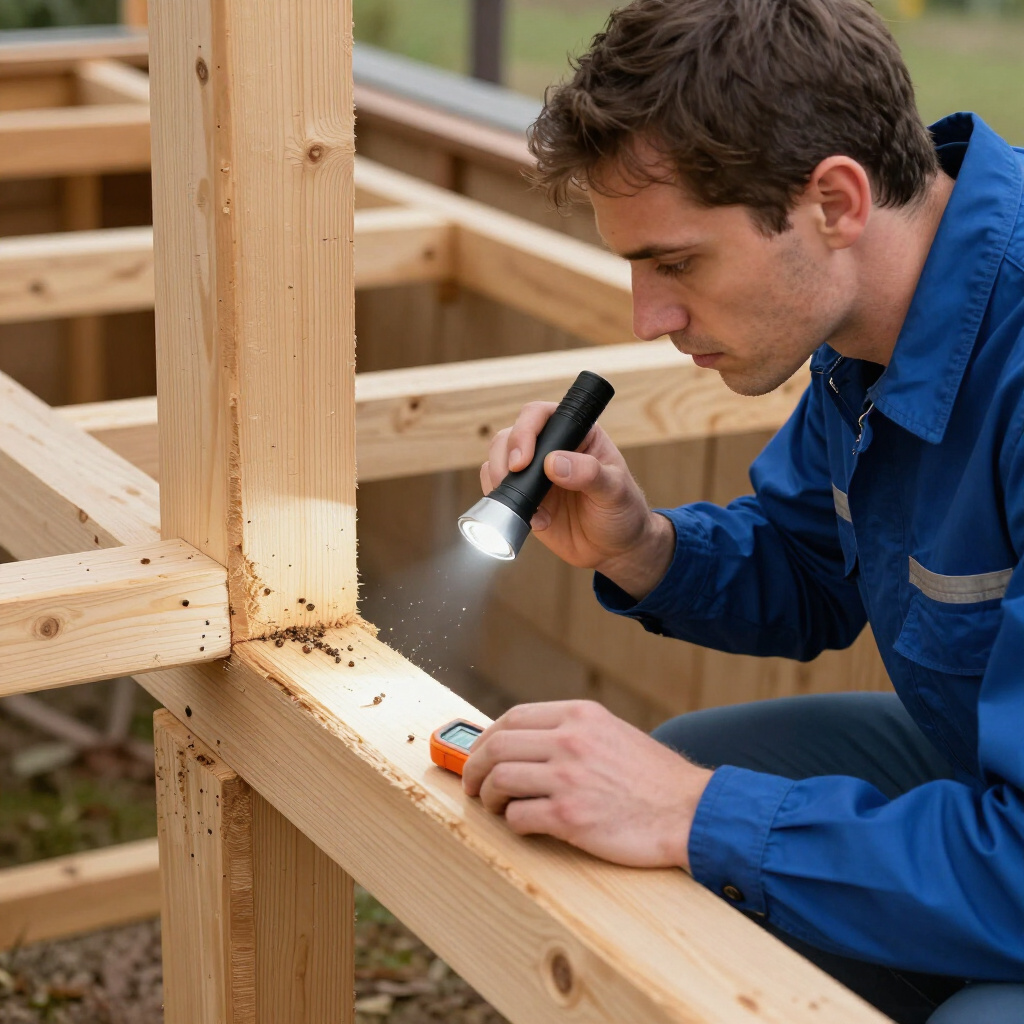
Certain scenarios should never wait for DIY experimentation. Structural pests like termites and carpenter ants work silently and steadily, often causing significant damage before you ever spot a single insect. By the time you notice hollow-sounding wood, sagging floors, or mysterious sawdust piles, the destruction may already require costly repairs. Annual inspections by qualified professionals catch these threats early, but at the first sign of wood damage, call a pest control professional without delay.
Stinging insects present another urgent case. Wasps, hornets, and yellow jackets become increasingly aggressive as colonies grow, and nests near entryways, children's play areas, or high-traffic paths create genuine safety hazards. Attempting removal yourself risks painful stings and, for those with allergies, potentially life-threatening reactions. Professionals have the protective equipment and knowledge to eliminate these threats safely, often accessing nests in difficult locations like roof eaves or wall cavities.
Bed bugs represent perhaps the most challenging DIY scenario. These resilient insects hide in mattress seams, electrical outlets, furniture joints, and countless other crevices. Over-the-counter treatments frequently scatter populations rather than eliminate them, making eventual professional treatment more extensive and expensive. At the first indication of bites in lines or clusters, blood spots on bedding, or actual insects, contacting a specialist promptly prevents a manageable situation from exploding into a household-wide ordeal.
Wildlife intrusion also warrants professional handling. Raccoons, squirrels, bats, or rodents in attics and crawlspaces don't just create noise—they introduce parasites, contaminate insulation with droppings, chew wiring that creates fire risks, and damage structural components. These animals often have legal protections or require humane removal methods, and their entry points demand professional-grade exclusion to prevent return.
Key Tips for Choosing and Working with Experts
Not all pest control services offer the same quality, so vetting your options matters. Look for licensed, insured providers with specific experience addressing your particular pest. Ask about their treatment approach—reputable companies explain their methods, expected outcomes, and any preparation steps you need to take. Be wary of high-pressure sales tactics or vague pricing; trustworthy professionals provide clear estimates and service guarantees.
Before your technician arrives, document what you've observed: where and when you've seen pests, any damage noticed, and treatments you've already attempted. This information helps them work efficiently and target their inspection. Follow all preparation instructions carefully, whether that involves clearing cabinet contents, removing pets temporarily, or avoiding treated areas for specified periods.
After treatment, maintain the partnership your technician recommends. Scheduled follow-ups, monitoring stations, or seasonal inspections often prove essential for complete elimination and long-term prevention. The best pest control relationships are ongoing collaborations rather than single visits.
Finally, ask about integrated pest management approaches that minimize chemical reliance. Modern professionals increasingly combine targeted treatments with exclusion techniques, habitat modification, and biological controls—solutions that protect both your household and the surrounding environment.
Final Thoughts
Knowing when to call a pest control professional ultimately comes down to honest assessment of the situation's scope, the risks involved, and your own limits. There's no shame in recognizing that some problems exceed home remedies—that discernment itself is part of responsible homeownership. The key is acting decisively once you reach that threshold. Delay rarely improves pest situations; populations grow, damage compounds, and solutions become more invasive and expensive.
Trust your observations. If something feels beyond your control, it probably is. The right professional doesn't just eliminate current pests—they restore your confidence in your home and equip you with knowledge to prevent future problems. That peace of mind is worth far more than the temporary satisfaction of handling everything alone.