


How to Choose a Pest Control Professional in North Las Vegas
North Las Vegas sits in the Mojave Desert where scorpions, black widows, and roof rats thrive in the arid climate. Selecting a qualified pest control provider in Clark County requires attention to credentials that matter specifically for this region.
First, verify licensing through the Nevada Department of Agriculture. All pest control operators in the state must carry proper certification. Ask for proof of insurance and bonding—this protects your property if treatments require interior access or structural drilling for termite barriers.
Desert pest behavior differs significantly from temperate regions. Choose technicians with demonstrated experience handling Arizona bark scorpions, the most venomous species in North America and common in North Las Vegas neighborhoods near undeveloped desert lots. Ask how they locate harborages in block wall fences, palm tree skirts, and irrigation valve boxes—prime scorpion territory.
Review their approach to Integrated Pest Management (IPM). Quality providers emphasize exclusion, habitat modification, and targeted treatments rather than blanket spraying. Given North Las Vegas water conservation requirements, ask about low-volume application methods and whether they offer botanical or reduced-risk options for homes with children, pets, or sensitive individuals.
Finally, examine service agreements carefully. Reputable companies warranty their work, particularly for scorpion and termite treatments, and provide clear retreatment policies.
What to Expect from Pest Control Services in North Las Vegas
Understanding the treatment process helps you prepare your property and evaluate results. Here's how professional service typically unfolds in this market.
Initial Inspection
A thorough technician examines your property's perimeter, foundation, attic access, and crawl spaces. In North Las Vegas, they pay special attention to weep screeds, expansion joints, and stucco cracks where desert pests enter. They'll note conducive conditions: overwatered landscaping, woodpiles against structures, or gaps in weatherstripping. Expect 30-60 minutes for a standard residential inspection.
Treatment Recommendations
Based on findings, you'll receive a customized plan. Active infestations may require initial intensive treatment—perhaps granular baiting for crickets (scorpion prey) or dust application to wall voids. Preventive maintenance typically follows a bi-monthly or quarterly schedule aligned with seasonal pest pressure.
Service Execution
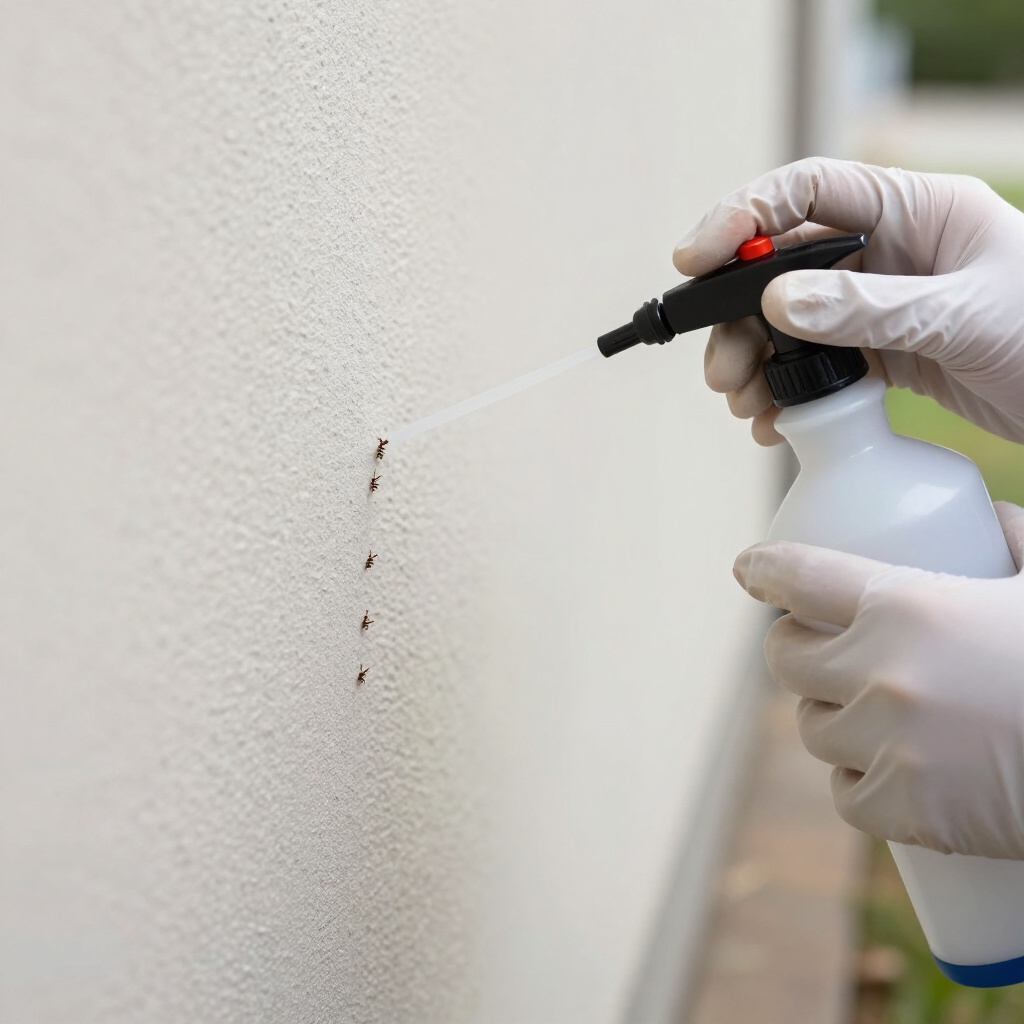
Standard exterior treatments include barrier application around the foundation, spot treatment of harborages, and granular deployment in landscaped areas. Interior service, when needed, focuses on entry points, plumbing penetrations, and garage perimeters. Technicians should explain what to expect regarding drying times, any temporary odors, and when pets can return to treated areas.
Ongoing Monitoring
Between visits, many providers offer free retreatment calls if pests reappear. Some use scorpion monitoring stations or UV blacklight inspections during nocturnal service calls to track activity patterns.
Available Pest Control Services in North Las Vegas
Providers in this market offer specialized solutions adapted to desert conditions and local building practices.
- Scorpion Control — Comprehensive programs combining exterior barriers, blacklight hunts, and structural sealing. Given North Las Vegas scorpion density, many residents maintain year-round protection.
- Termite Treatment — Both subterranean and drywood species occur locally. Soil pretreatments for new construction, post-construction liquid barriers, and localized foam or fumigation services address infestations in the region's prevalent wood-framed homes.
- Rodent Management — Roof rats established populations in older neighborhoods with mature fruit trees. Services include exclusion work, trapping programs, and sanitation guidance.
- General Insect Control — Covers ants, cockroaches, spiders, crickets, silverfish, and earwigs. Programs typically bundle multiple pests with seasonal adjustments.
- Bee & Wasp Removal — Africanized honey bees require professional handling. Licensed operators remove hives from wall voids, eaves, and desert vegetation.
- Bed Bug Treatment — Heat remediation and targeted insecticide applications for multi-unit housing, vacation rentals, and single-family residences throughout the area.
- Commercial Pest Management — Customized programs for restaurants, warehouses, healthcare facilities, and retail centers serving North Las Vegas's growing business district.
Frequently Asked Questions
How often should I schedule pest control in North Las Vegas?
Bi-monthly service suits most residential properties given the region's extended warm season and active scorpion populations. Quarterly programs may suffice for well-maintained homes with minimal pest history. Severe scorpion issues sometimes require monthly attention initially.
Are pest control treatments safe for my family and pets?
Modern formulations applied by licensed professionals pose minimal risk when label directions are followed. Request information about re-entry intervals—typically once treatments dry, often 30 minutes to 2 hours. Many providers offer botanical options or bait-based systems that reduce chemical exposure.
Why am I seeing more scorpions after treatment?
Temporary increased visibility is common and actually indicates effectiveness. As exterior barriers drive scorpions from harborage areas, they cross treated zones before succumbing. This "flushing" effect typically resolves within 7-10 days. Persistent activity after two weeks warrants a callback.
Does North Las Vegas have termite issues?
Yes. Subterranean termites, particularly the arid-land subterranean species, occur throughout Clark County. Drywood termites also appear, though less frequently. The desert climate doesn't eliminate risk—it shifts species prevalence and behavior patterns.