


Common Pest Control Problems in Reno
Reno's high desert climate and position in Storey County create unique pest pressures that shift dramatically with the seasons. Residents deal with more than occasional ants—this region's dry summers, cold winters, and proximity to open desert and mountain terrain bring a rotating cast of unwanted visitors.
Scorpions rank among the most unsettling pests, slipping through tiny gaps in foundations and door sweeps during the hottest months. Black widows and brown recluse spiders favor undisturbed garage corners, woodpiles, and storage areas. The bark scorpion, in particular, has established populations in the foothills and increasingly in developed areas.
Winter drives rodents indoors with urgency. Mice exploit the gap beneath garage doors; roof rats navigate mature tree canopies to access attic vents. Once inside, they contaminate insulation, gnaw wiring, and reproduce rapidly. Meanwhile, pack rats—distinctive for their debris nests—damage vehicles and outdoor equipment in hillside neighborhoods.
Spring and summer bring wasps and yellowjackets, aggressive defenders of nests tucked into eaves, wall voids, and underground burrows. The region's drywood termites work silently, often discovered only when swarmers emerge or structural damage becomes visible. Even bed bugs have become more common with Reno's growth as a travel and logistics hub.
Less obvious but equally problematic: earwigs massing in irrigation-heavy landscapes, cricket infestations attracting predators, and cluster flies overwintering in wall cavities of older Virginia City Highway corridor homes.
How We Help Reno Homeowners
Effective pest management in Storey County requires understanding local ecology, not applying generic treatments. Our technicians assess each property's specific vulnerabilities—foundation type, landscape grading, utility penetrations, and neighborhood pest patterns—to build targeted defense strategies.
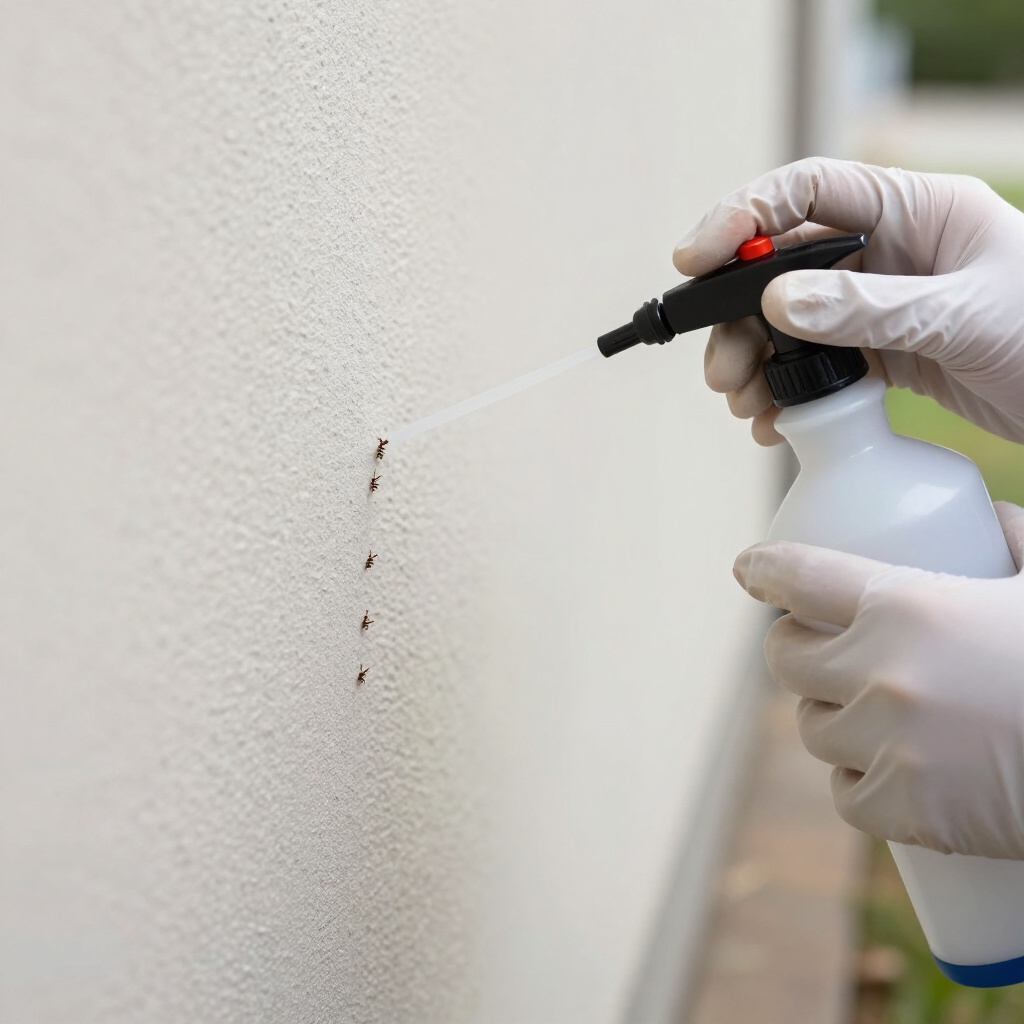
We emphasize exclusion and habitat modification alongside precision treatments. Sealing entry points, adjusting irrigation to reduce moisture zones, and modifying vegetation that bridges structures with wild areas all reduce long-term dependency on chemical applications. For active infestations, we deploy appropriate methods: residual barriers for perimeter pests, targeted applications for nesting insects, integrated trapping programs for rodents, and whole-structure protocols for termites.
Reno's elevation swings—from valley floor to foothill neighborhoods—mean microclimates vary block by block. We account for this, adjusting treatment timing and product selection based on your specific location's conditions rather than using citywide assumptions.
Pest Control Services Available in Reno
- Residential Pest Control — Ongoing protection plans with quarterly or bi-monthly exterior treatments and interior coverage as needed
- Commercial Pest Management — Custom programs for restaurants, warehouses, hotels, and medical facilities with documentation for health inspections
- Rodent Control & Exclusion — Trapping, baiting, entry-point sealing, and sanitation guidance for current and prevention-focused programs
- Termite Inspection & Treatment — WDO reports for real estate transactions, liquid barrier applications, and monitoring systems
- Bed Bug Elimination — Canine-assisted detection and heat treatment protocols
- Stinging Insect Removal — Safe nest elimination for wasps, hornets, and yellowjackets in elevated or confined locations
- Spider & Scorpion Control — Targeted treatments for venomous species with blacklight inspections and harborage reduction
- Wildlife & Bird Management — Humane exclusion for bats, pigeons, and other protected species requiring specialized handling
Pest Control Pricing in the Reno Area
Service costs reflect property characteristics, pest type, and infestation severity rather than flat-rate simplification that leaves gaps in protection.
Most Reno homeowners with standard single-family residences find ongoing protection plans range from $40–$75 monthly when paid annually, with initial treatments sometimes higher depending on existing pest pressure. Homes with significant scorpion or rodent history, larger acreage properties, or those in dense foothill wildland-interface zones typically fall toward the upper range.
One-time treatments for specific issues—spider clearing before a sale, wasp nest removal, or acute ant invasion—generally run $150–$350. Termite treatments represent a larger investment, from $800 for localized spot applications to $2,500+ for full structure liquid barriers or baiting systems on expansive homes.
Bed bug heat treatments for average-sized homes typically range $1,200–$2,800 depending on square footage and preparation requirements. Rodent programs combining trapping, exclusion work, and follow-up monitoring start around $300–$500 for initial service with optional ongoing maintenance.
We provide itemized estimates after inspection, with no obligation. Storey County's mix of historic Virginia City structures, modern Reno subdivisions, and rural ranch properties means cookie-cutter pricing rarely serves anyone well.
Frequently Asked Questions
Are scorpions really a serious problem in Reno?
Yes, particularly in foothill and newly developed areas where construction disturbs natural habitat. The bark scorpion's sting can cause severe pain and, in sensitive individuals, more serious reactions. Regular perimeter treatments, door sweep maintenance, and reducing ground cover against foundations significantly reduce encounters.
How do I know if I have termites or just flying ants?
Swarming termites have straight antennae, equal-length wings, and broad waists—ants have elbowed antennae, uneven wings, and narrow waists. If you're unsure, capture a sample or photograph. Annual inspections are wise in Reno's older neighborhoods where drywood termite colonies establish slowly but cause substantial hidden damage.
Do I need year-round pest control in Reno's dry climate?
Absolutely. While summer pest visibility is obvious, winter rodent pressure and the region's temperature swings—warm days even in January—mean pest activity never fully stops. Year-round programs maintain protective barriers and catch early signs before seasonal surges become established infestations.